

How Much Protein Should I Be Eating?
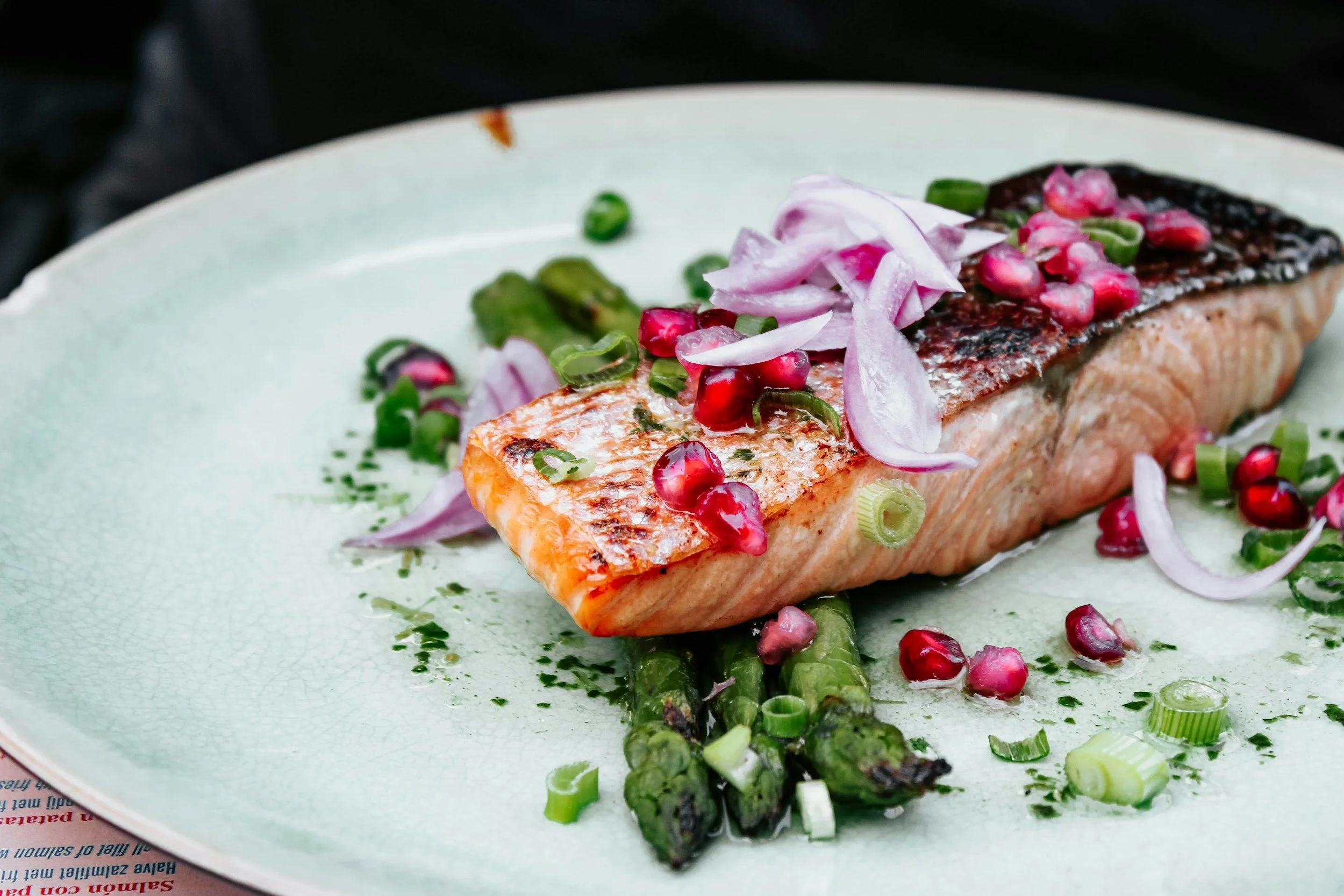
How much protein you need depends on your age, activity level, body size, health goals and stage of life. For women over 40, protein becomes especially important. As we age, we naturally begin to lose muscle mass, a process known as sarcopenia. Changes during perimenopause and menopause can also affect muscle mass, metabolism and body composition.
One reason for this age-related muscle loss is anabolic resistance, where the body becomes less responsive to the muscle-building effects of protein. Digestive function may also change with age, making both the quality and quantity of protein increasingly important.
The Recommended Dietary Intake (RDI) for adult women in Australia is around 0.75 g of protein per kilogram of body weight per day. This amount is intended to meet the basic protein requirements of adults, but it may not be optimal for supporting muscle maintenance, recovery and the needs of physically active women.
For physically active women, research supports higher protein intakes of around 1.4–2.2 g/kg/day, depending on age, activity level, training demands, body composition and individual health goals.
Protein plays many important roles in the body. It provides the building blocks needed for muscle maintenance and repair, tissue healing, immune function and maintaining healthy bones. Protein can also help promote satiety, keep you feeling fuller for longer, and support blood glucose regulation when included as part of a balanced meal.
This does not mean everyone needs the highest amount. Some people may need their protein requirements calculated using current body weight, while for others, ideal body weight or adjusted body weight may be more appropriate.
I encourage my clients to take a food-first approach. This means aiming to meet protein needs through whole foods first, such as eggs, fish, chicken, lean meats, Greek yoghurt, cottage cheese, tofu, tempeh, lentils, beans, chickpeas, nuts, seeds and whole grains.
When there is a gap between food intake and daily protein needs, a good-quality protein powder can be a helpful option. It may be particularly useful on busy days, after training or when appetite is low.
Protein timing matters too
It is also important to spread protein across the day, rather than having most of it at one meal. Including a quality source of protein at breakfast, lunch and dinner, as well as protein-rich snacks when needed, can help support muscle maintenance and repair, satiety, energy and blood glucose regulation.
Prioritising protein at breakfast can be particularly helpful, as many people consume very little protein in the morning and then have most of their daily protein at dinner. Starting the day with a protein-rich breakfast can help create a more even protein distribution across the day, support more stable blood glucose levels, and help you feel fuller and more satisfied for longer.
For active women, protein after training can also be helpful to support recovery and muscle maintenance. Aiming to include protein within around 60 minutes after exercise can be a practical habit, particularly after strength training or higher-intensity exercise.
For active women, particularly during perimenopause and menopause, it may also be beneficial to avoid doing strength training or higher-intensity exercise completely fasted. A light meal or snack containing protein and some carbohydrate before training can help support energy, performance and recovery.
A simple place to start is to:
• Include a quality protein source at breakfast
• Include protein with each main meal
• Choose protein-rich snacks when needed
• Include protein around your training
• Mix and match different protein sources across the week
• Prioritise leucine-rich protein foods, particularly around main meals
• Focus on whole foods and minimally processed protein sources where possible
Leucine-rich protein sources include whey protein, Greek yoghurt, cottage cheese, milk, eggs, chicken, turkey, beef, lamb, fish such as tuna, salmon and cod, and soy foods such as tofu, tempeh and edamame. Legumes, pumpkin seeds, peanuts, and other nuts and seeds can also contribute leucine, although they generally provide less leucine per serve than many animal-based protein sources.
Examples of protein-rich snacks include Greek yoghurt, boiled eggs, cottage cheese, tuna, hummus with wholegrain crackers, roasted chickpeas, edamame, nuts and seeds, or a protein smoothie.
Protein needs are personal. The right amount for you depends on your body, stage of life, digestion, activity level and health goals.
If you are unsure how much protein is right for you, book a consultation for personalised nutrition advice tailored to your individual needs.